EN
USD
A growing card collection can become difficult to navigate long before you run out of storage space. Cards from recent openings sit beside deck-building leftovers, trade cards get mixed into personal favorites, and finding one specific card means searching several boxes.
A useful organization system should help you answer two questions: Where would I look for this card, and where should I put it back?
Start by separating cards according to how you use them. Then choose a consistent sorting method within each group, label the sections, and leave room for new additions.
Here is a practical way to turn a mixed collection into a system you can maintain.
Sorting every card alphabetically may seem like the obvious first step, but it can mix together cards you use in very different ways.
Begin with a few broad groups:
Cards in active decks: Keep these together in their deck boxes.
Cards for future decks: Cards you regularly search when building or updating decks.
Personal collection: Cards you keep for their artwork, character, set, or personal significance.
Trade or sale cards: Cards you have intentionally set aside to exchange or sell.
Duplicates and bulk: Extra copies and cards you do not need frequent access to.
You do not need all five groups. Use only the categories that serve your collection.
If you collect several games, separate them first. Then apply the same purpose-based approach within each game.
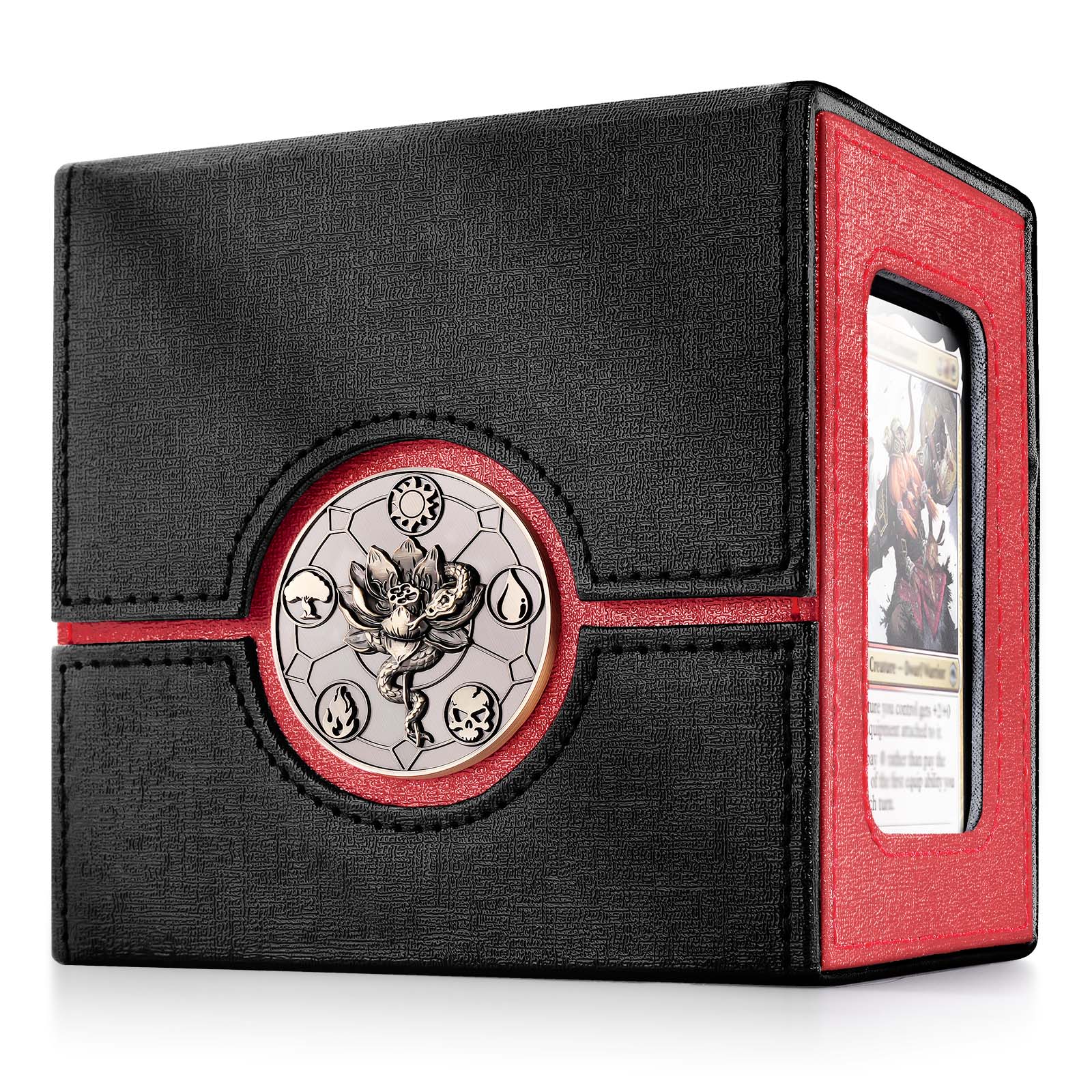
Keep assembled decks out of your loose-card sorting session. For help organizing those, see our guide to choosing a deck box for your MTG Commander deck.
There is no single sorting order that suits every collection. Choose the method that matches how you usually look for cards.
| How you use the cards | A practical starting point |
|---|---|
| Completing a particular set | Set, then collector number |
| Building and updating decks | Color or card type, then name |
| Collecting favorite characters or artists | Character or artist, then a consistent secondary order |
| Managing duplicates | Set or category, with identical copies together |
| Preparing cards for trading | Game, then clearly labeled categories |
For example, if you usually search your MTG cards by color when building a deck, start with color sections. Add alphabetical sorting within those sections when they become large enough to need it.
If you collect complete sets, collector-number order may be easier to maintain because each card has an expected position.
Write your chosen order on a small index card or inside the storage lid. A visible reminder makes it easier to follow the same system when you return to the collection later.
Trying to assign every card to its final position in one pass can make a large collection feel overwhelming.
Work through it in stages:
Separate different games.
Divide cards by purpose.
Sort each group into broad categories.
Put cards in their final order within those categories.
Label each completed section before moving on.
Work with manageable batches and keep the unsorted pile separate from finished sections.
Set aside a small “review later” group for cards you are unsure about. This lets you finish the main task without repeatedly stopping to decide whether a particular card belongs in a deck, your personal collection, or a trade binder.
Different parts of a collection may benefit from different storage formats.
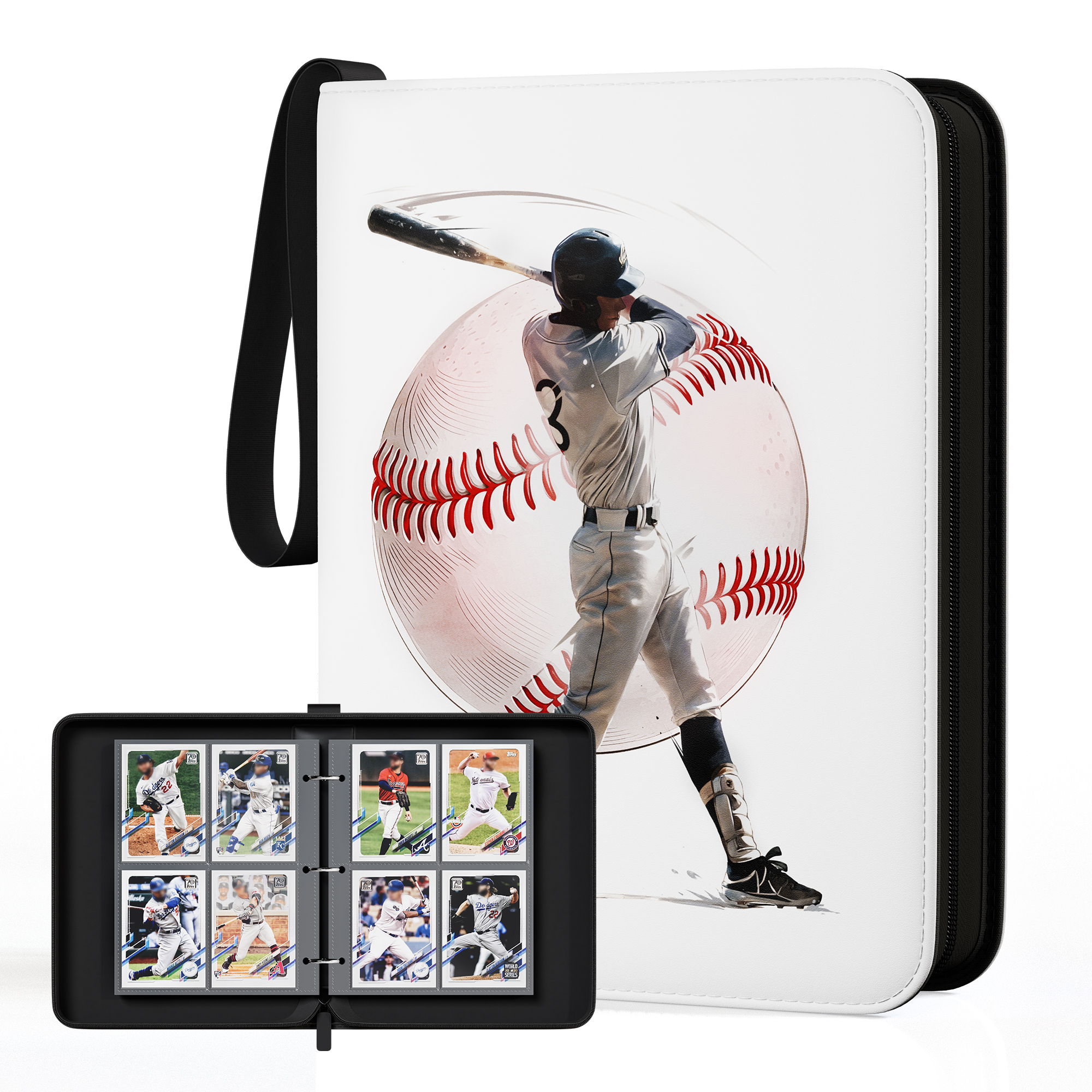
A binder can be convenient for collections you enjoy viewing page by page, such as a favorite set or a themed selection.
Check that the pockets suit your cards and sleeves. Avoid forcing extra cards into a pocket to make space.
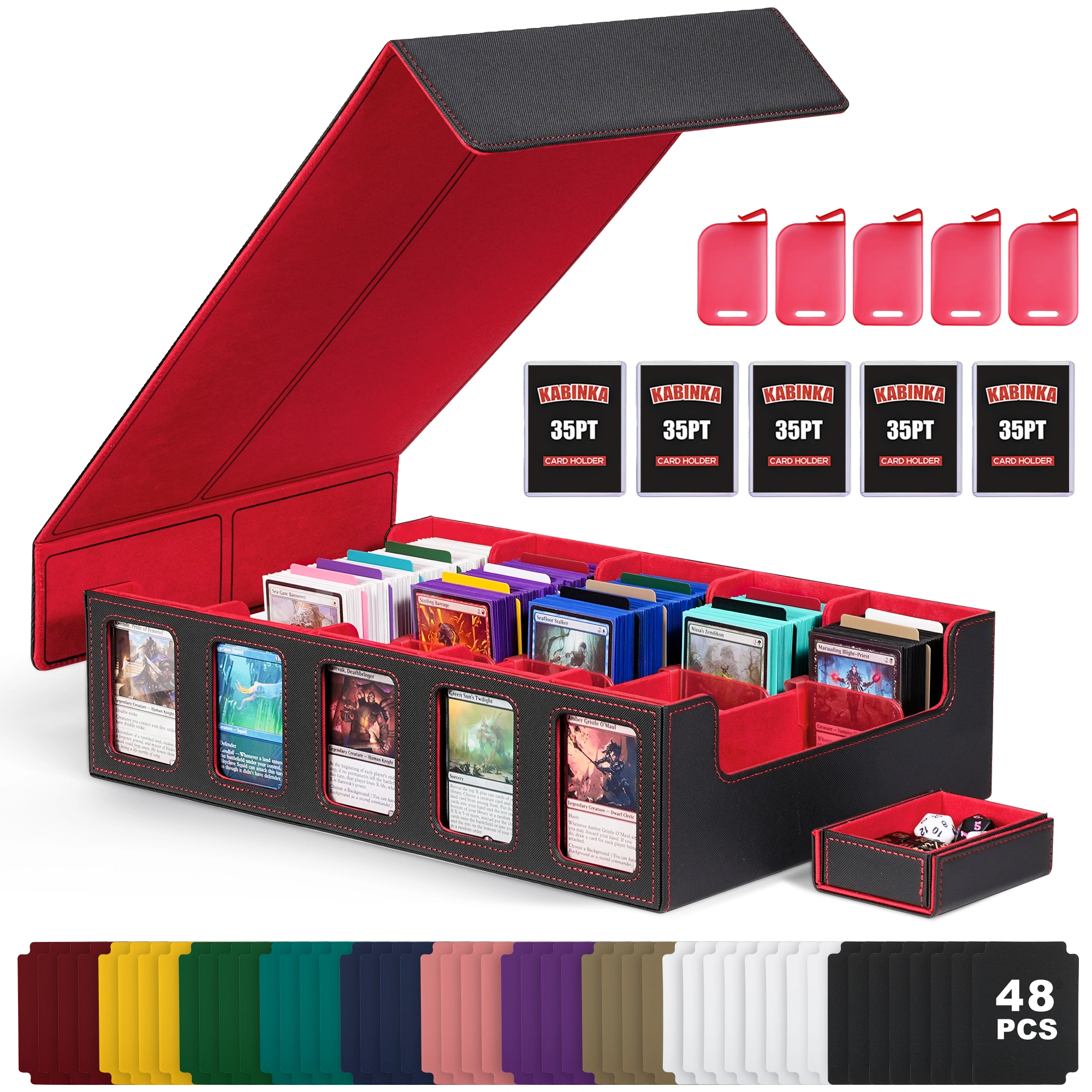
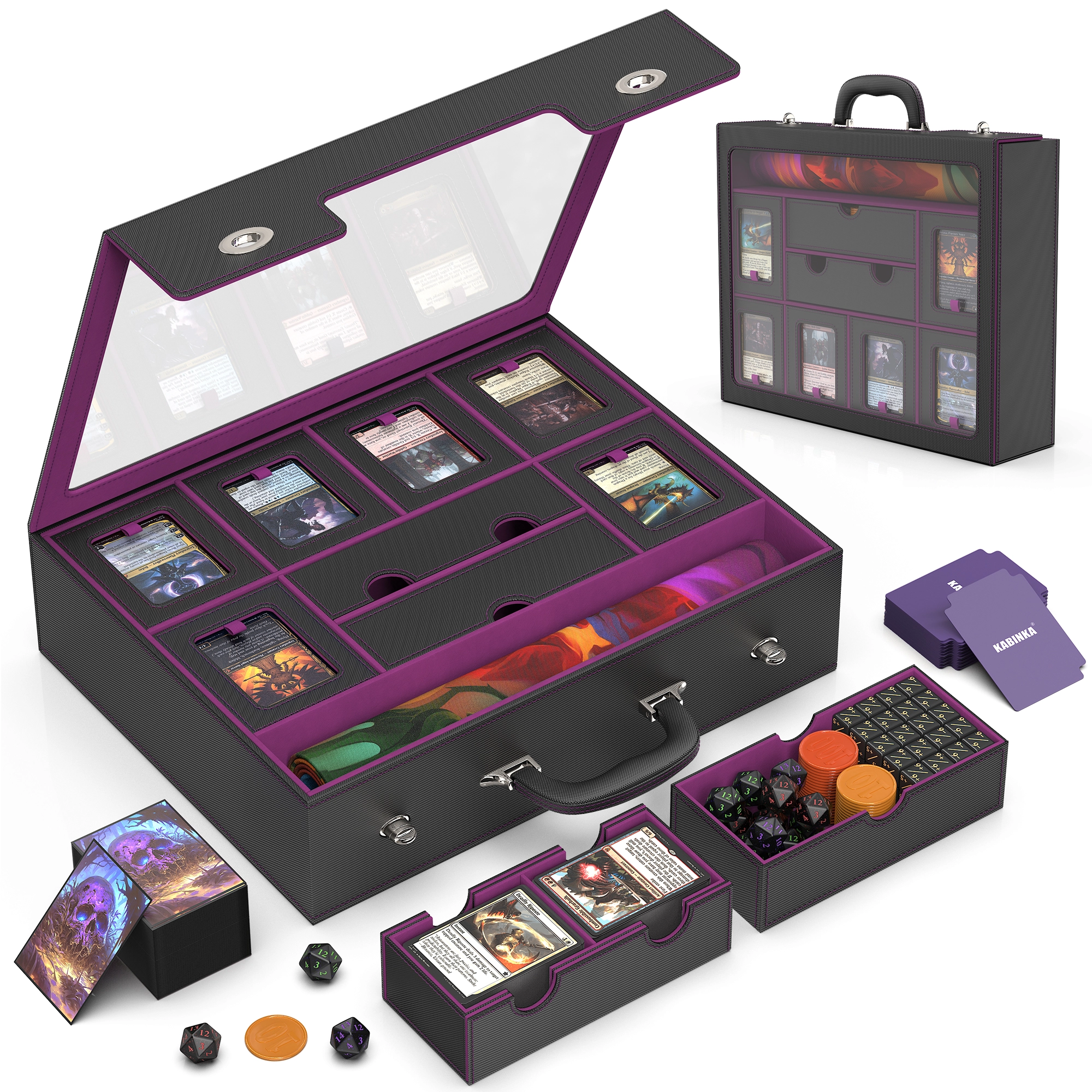
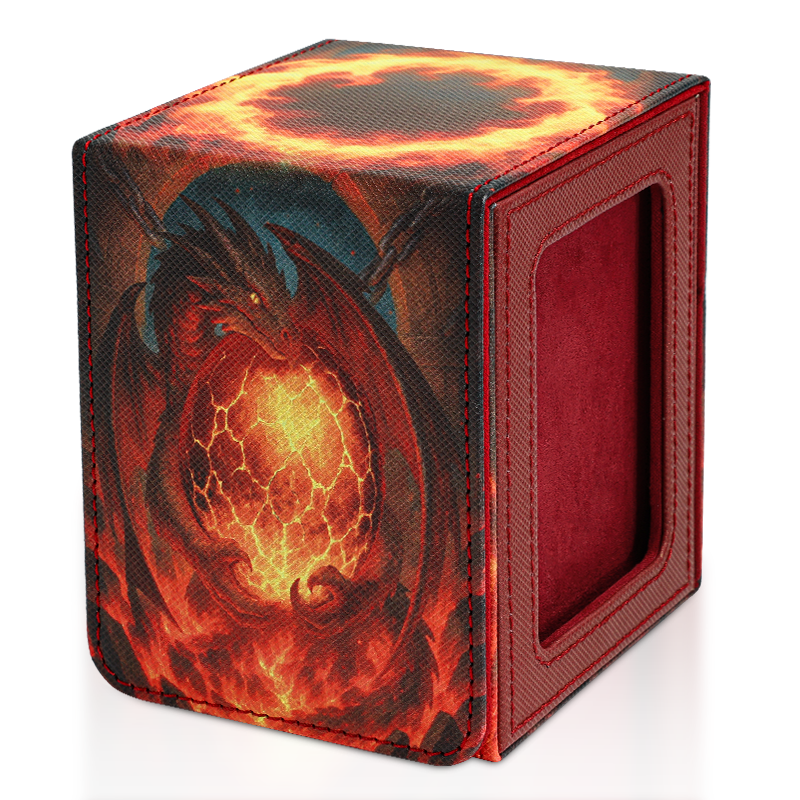
Storage boxes can be practical for duplicates, deck-building cards, and collections you search by section.
Look for a layout that allows you to use readable dividers and remove cards without bending them or catching sleeve corners.
Cards in toploaders or graded holders have different space requirements from loose or sleeved cards. Check the internal dimensions and holder compatibility before choosing a case.
A capacity figure for ordinary trading cards does not establish how many rigid holders will fit.
Keep completed decks separate from the loose collection so they remain ready to use.
If you are comparing storage capacities, remember that sleeves change the amount of space cards occupy. Our deck box capacity guide for double-sleeved cards explains what to check.
A label such as “Cards 2” identifies a box but gives little help when you need a specific card.
Use labels that describe the contents. For example:
MTG — Blue — Deck-Building Cards
Set Collection — Collector Numbers 001–100
Trade Cards — Reviewed
Duplicates — Set A
For multi-row boxes, add a simple map inside the lid or on a separate index card. It might list the category assigned to each row.
Keep divider tabs visible above the cards, and choose dividers intended for your storage setup. Avoid sharp or rough improvised materials near card edges.
If a section changes, update its label immediately. An accurate basic label is more useful than a detailed label that no longer matches the contents.
A box packed to its limit can make both searching and returning cards frustrating.
Leave enough working space to remove cards comfortably and add new ones without forcing them into place. In partially filled rows, use suitable dividers or stoppers to keep cards supported.
Give new arrivals a temporary home, too. One clearly labeled “To Sort” section keeps recent purchases and opened packs from spreading across your completed categories.
Choose a regular moment to empty that section—for example, after opening new cards or before your next deck-building session. The aim is to keep the temporary pile small enough to handle easily.
You do not need to catalog every card to have an organized collection.
An inventory is most useful when it solves a specific problem, such as tracking missing cards from a set, locating particular collectibles, or checking duplicates before buying.
A basic spreadsheet can include:
Card name
Set and collector number
Quantity
Storage location
Notes on language, finish, or condition where relevant
Use locations that match your physical labels, such as “Box B, Row 2” or “Binder 1, Page 8.”
Start with the cards you most often need to locate. Expand the inventory only if the additional detail is useful enough to maintain.
Choose based on how you search. Set and collector-number order can suit set collecting, while color or card-type sections may be more useful for deck building. Different parts of your collection can use different methods.
That depends on how you handle and store them, and your protection preferences. Decide which groups need sleeves, then check that the storage accommodates those cards comfortably. Do not assume sleeved and unsleeved cards have the same storage capacity.
Keep identical copies together within a clearly labeled section. If you separate extra copies for trading, distinguish those from the copies you plan to keep.
Move a complete category into another labeled section or box, then update your storage map. Avoid squeezing new cards into a row that is already difficult to access.
A good organization system does not have to be complicated. Separate cards by purpose, use a predictable sorting order, and make the labels clear enough that you can find—and return—a card without searching several places.
Start with one part of your collection and finish it before expanding the system. Small, consistent habits will help keep the collection manageable as it grows.
Explore Kabinka card storage boxes to compare layouts for your collection. Check each model’s usable dimensions, capacity conditions, and included dividers against the cards and holders you plan to store.
Copyright Shenzhen Rushidao Technology Co., Ltd. All Rights Reserved. POWERED BY UEESHOP


